Malaysia PCB Calculation Made Easy: A Step-by-Step Payroll Guide (2025 Update)
Master PCB calculations with our comprehensive guide. Learn how to calculate Monthly Tax Deductions (PCB) correctly, avoid common mistakes, and ensure LHDN compliance for your business.
What is PCB and Why It Matters?
Potongan Cukai Bulanan (PCB) – or Monthly Tax Deduction (MTD) – is an essential part of Malaysia’s income tax system. Rather than paying a hefty lump sum at year-end, PCB helps employees contribute smaller amounts monthly. It smooths cash flow and ensures that most taxpayers won’t face large bills or hefty penalties when filing their annual tax returns.
- The Role of LHDN in PCB Compliance
The Inland Revenue Board of Malaysia (LHDN) governs and monitors the PCB system. Employers are legally obligated to calculate and deduct the correct PCB from employees’ salaries, and failing to comply can result in significant penalties.

Step-by-Step PCB Calculation Process
Step 1: Determine Total Annual Income
- Start by adding up all forms of taxable income:
- Monthly Salary × 12
- Annual bonuses
- Allowances (housing, transport, etc.)
- Commissions
- Example:
- If your monthly salary is RM5,000 and you receive a RM10,000 bonus, your total annual income would be:
(RM5,000 × 12) + RM10,000 = RM70,000
Step 2: Deduct EPF Contributions Correctly
- While EPF contributions are tax-deductible, there’s a cap:
- 11% Employee EPF Contributions
- Maximum RM4,000 deduction allowed for tax purposes.
- Example:
- Monthly EPF: RM5,000 × 11% = RM550
- Annual EPF: RM550 × 12 = RM6,600
- Deductible Amount: RM4,000 only
Step 3: Apply All Relevant Tax Reliefs
Tax reliefs are deductions you can claim to lower your taxable income.
- Common Reliefs:
Total Relief in Example: RM26,500
Step 4: Calculate Your Chargeable Income
- Formula:
Total Annual Income – Total Reliefs = Chargeable Income
- Example:
RM70,000 – RM26,500 = RM43,500
Step 5: Compute Annual Tax Payable Using Progressive Rates
Apply LHDN’s progressive tax rates
- Thus:
- 0% on first RM5,000
- 1% on next RM15,000 = RM150
- 3% on next RM15,000 = RM450
- 6% on remaining RM8,500 = RM510
Total Tax Payable: RM1,110
Step 6: Subtract Eligible Tax Rebates
- Some rebates (like individual rebate or zakat payments) could further reduce your tax payable. In this case:
- Chargeable Income > RM35,000 → No rebate
- Zakat paid = RM0
Thus, no deduction.
Step 7: Determine Your Monthly PCB Deduction
- Finally:
Common Mistakes to Avoid in PCB Calculations
Mistake 1: Ignoring SOCSO Relief
SOCSO contributions can be deducted during tax filing if Form TP1 is submitted. Otherwise, they're missed, leading to higher taxable income.
Mistake 2: Mixing Up Regular and Additional Remunerations
Bonuses and special payments must be separated from the regular salary when calculating PCB to ensure compliance with LHDN regulations.
Tools to Make PCB Calculation Simpler
Simplify your PCB calculations with these recommended tools:
- Construction Contracts under P.U.A 276/2007
Specialized tool for construction industry PCB calculations.
- LHDN PCB Calculator
Official calculator from LHDN for accurate PCB computations.
- PayrollPanda PCB Guide
Comprehensive guide with examples and templates.
- AutoCount Payroll System
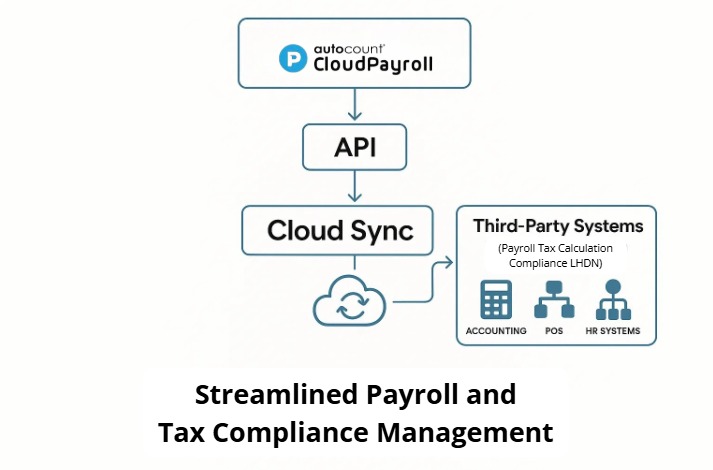
AutoCount Payroll even auto-updates new tax rates every year for hassle-free compliance!
How AutoCount Payroll Can Help You
Automated Calculations
PCB, EPF, SOCSO, and EIS deductions calculated automatically.
Regulatory Compliance
Always aligned with LHDN's latest rules and regulations.
User-Friendly Dashboard
Manage payroll in just a few clicks with intuitive interface.
Accurate Reporting
Generate payslips, EA forms, and tax reports easily.
Conclusion
- Master PCB and Simplify Your Payroll Today
Managing PCB isn’t just about compliance – it’s about supporting your employees’ financial health. With clear calculations and the right tools like AutoCount Payroll, employers can avoid penalties, boost employee trust, and streamline their HR processes.
- Key Takeaways
- PCB calculation follows a 7-step process from annual income to monthly deduction
- Always separate regular and additional remunerations for accurate calculations
- Use available tools to ensure compliance and reduce manual errors
- Consider automated payroll systems like AutoCount for hassle-free PCB management
Need Professional Payroll Management Solutions?
Our certified payroll specialists ensure accurate, compliant, and efficient payroll processing, allowing you to focus on strategic business priorities.