AutoCount Cloud Accounting vs Palm POS: Best & Cheapest E-Invoice Solutions for MSMEs in Malaysia
Discover the best and most affordable e-invoicing solutions for MSMEs in Malaysia. Compare AutoCount Cloud Accounting and Palm POS to find the ideal fit for your business needs, whether you’re handling credit sales or high-volume cash transactions.
Why Digital E-Invoicing is Crucial Now
Malaysia’s e-Invoice requirements are being implemented in phases based on business turnover and applicable exemption rules. Businesses should check the latest LHDN guidelines to understand whether e-Invoicing applies to them and when implementation is required.
For businesses looking to manage invoicing and daily sales more efficiently, AutoCount Cloud Accounting and Palm POS offer different solutions depending on their operating needs.
- AutoCount Cloud Accounting ideal for service-based, credit-based businesses
- AutoCount PalmPOS designed for high-volume, cash-based B2C operations
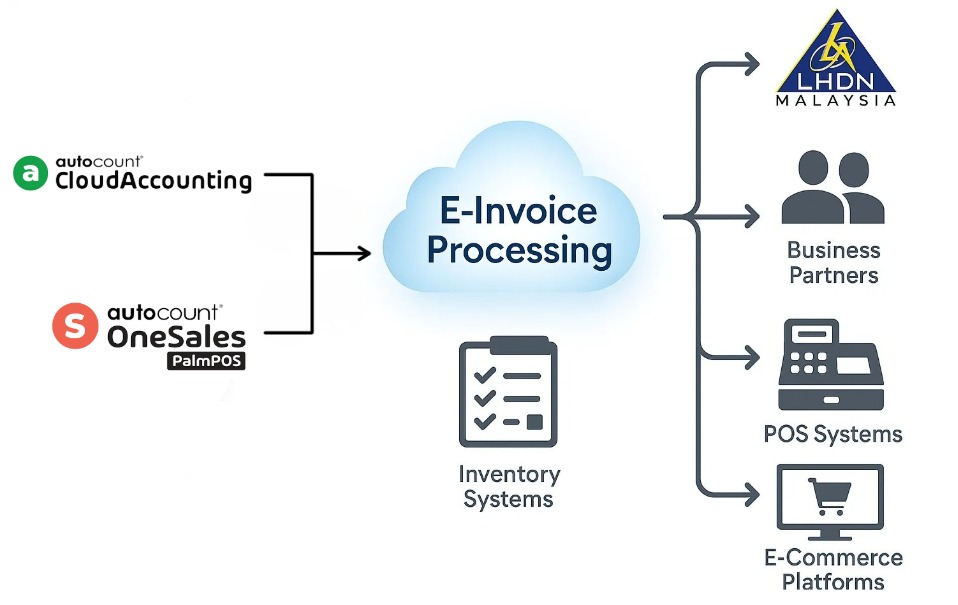
This guide breaks down their differences, strengths, pricing updates, and best use-cases — helping you choose the right tool for your business.
Designed for Startups & SMEs
Simple & Efficient
.
100% Cloud-Based
.
Ultra-Affordable
E-Invoice Ready
AutoCount Cloud Accounting vs Palm POS: Which One Fits Your Business?
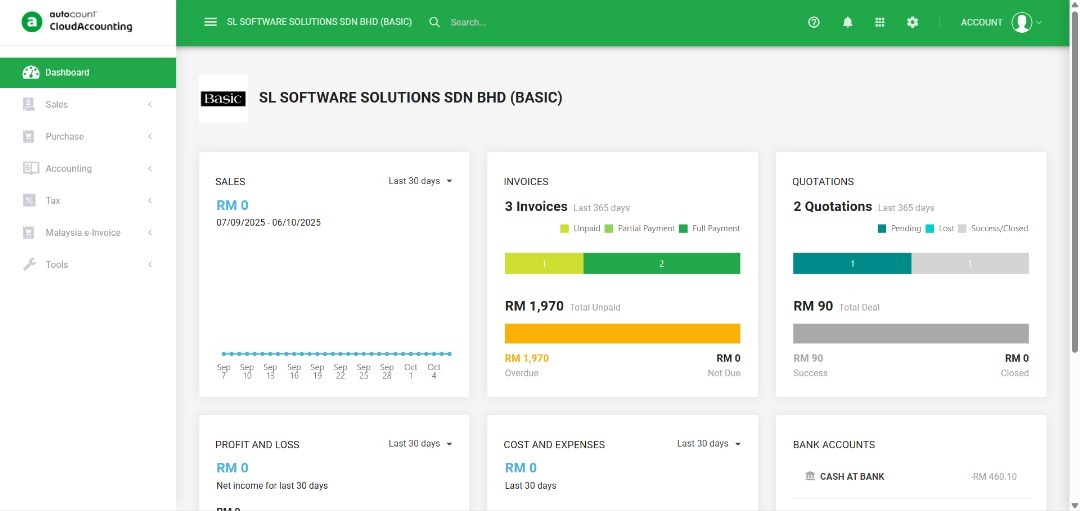
AutoCount Cloud Accounting
Cloud-Based Financial Tracking
A cloud-based accounting software for businesses handling credit sales, offering comprehensive financial tracking and automated Standard e-Invoicing.
- Key Benefits
- Completely FREE for Invoicing & E-Invoice Submissions.
- Multi-User Support (Owner + Accountant)
- Works on Any Device (PC, Tablet, Smartphone)
- Customizable Accounting Tools (P&L, Bank Reconciliations, etc.).
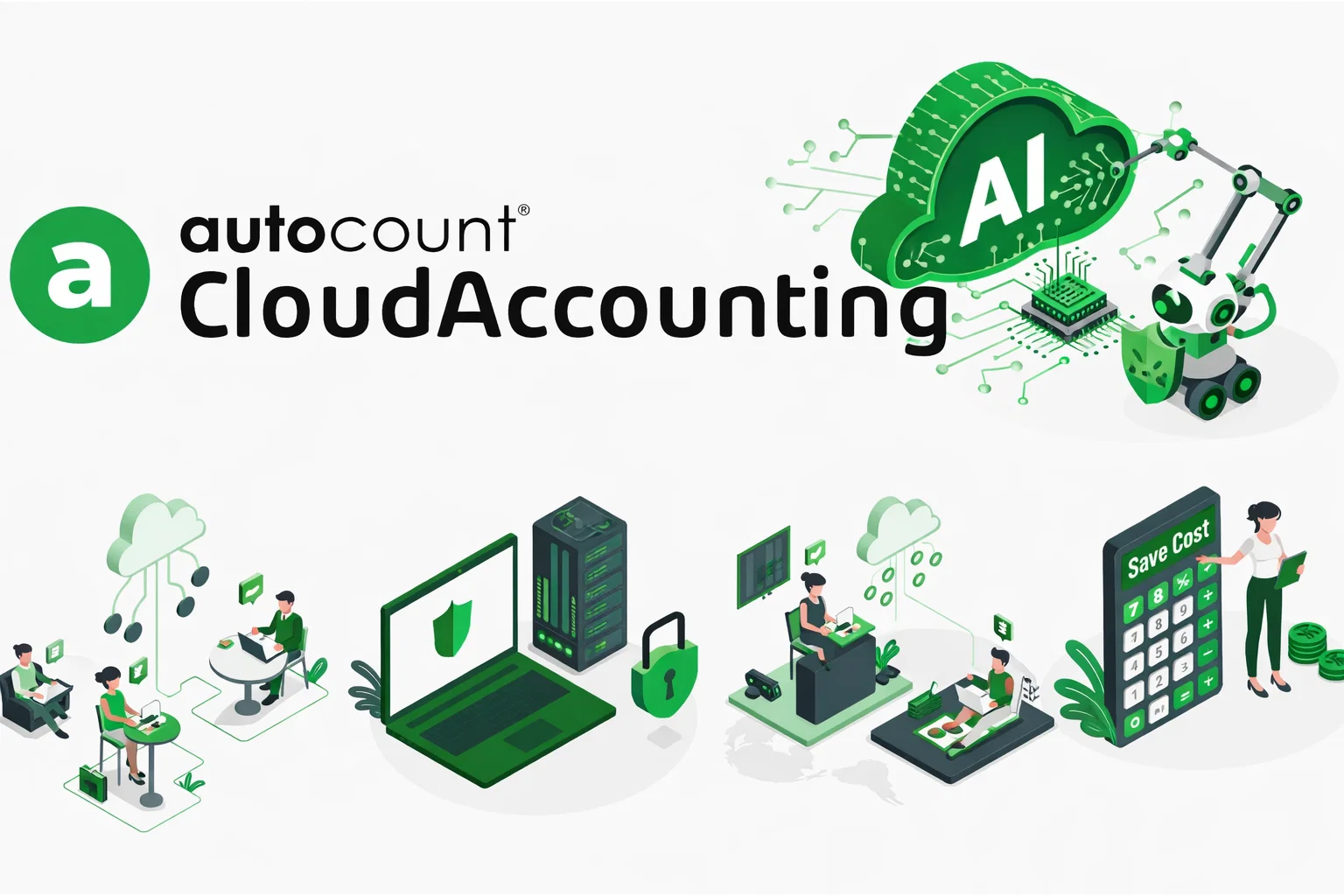
AutoCount Palm POS
Mobile Cloud Point of Sale
- Key Benefits
- Automated Consolidated E-Invoicing (B2C bulk submission).
- QR Code Scanning for Buyer TIN via MyInvois app.
- Fast & Simple Checkout (Cash, Card, E-wallet)
- Works on Android & POS Terminals (Portable)
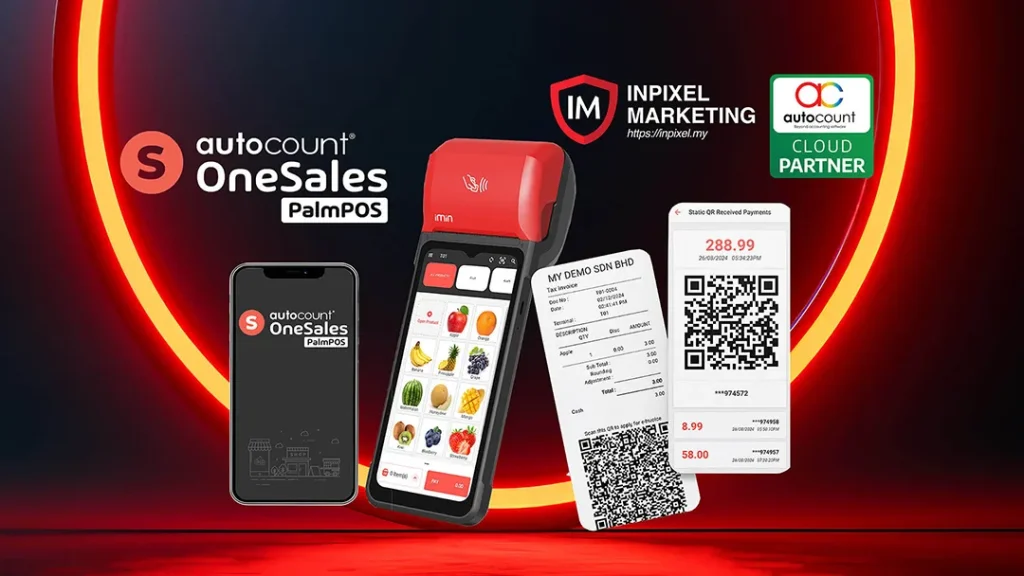
AutoCount Cloud Accounting vs Palm POS: Key Differences & Features
Key Differences: Feature Comparison
| Feature | AutoCount Cloud Accounting | AutoCount Palm POS |
|---|---|---|
| Best for | Businesses with credit sales | Cash-based businesses (B2C) |
| E-Invoice Handling | Standard e-Invoice for B2B Sales | Consolidated e-Invoice for bulk transactions |
| Transaction Type | Cash & Credit Sales | Cash sales with supported QR/e-wallet payment options |
| Sales Volume | Low to Medium | High |
| Multi-User Support | Yes (Accountants + Business Owners) | Supports cashier/user logins; terminal and account limits depend on the package. |
| Consolidated E-Invoice | Create and submit consolidated e-Invoices directly | Supports consolidated e-Invoice submission through its configured backend |
| Pricing | FREE Invoicing & E-Invoice Submissions | RM49/month before SST |
Compare AutoCount Cloud Accounting and Palm POS to find the best solution for Malaysian MSMEs.
Who Should Use Which Solution?
AutoCount Cloud Accounting
- Wholesalers & Distributors
- Workshops & Auto Repair Services
- Professional Services (Lawyers, Consultants)
- Businesses requiring detailed financial reporting
AutoCount Palm POS
- Restaurants & Cafés / Hawker Stalls
- Mini-Marts & Grocery Stores
- Salons, Spas & Barber Shops
- Cash-based B2C businesses with high volume

Frequently Asked Questions
Do MSMEs need to comply with Malaysia's e-Invoicing regulations?
Malaysia’s e-Invoice requirements apply in phases based on annual turnover and applicable exemption conditions. Under the latest LHDN guidelines, businesses with annual turnover below RM3 million may qualify for exemption, subject to the relevant eligibility criteria.
Businesses should check the latest LHDN guidelines to confirm their obligations. AutoCount Cloud Accounting and Palm POS offer different features and integration options that may support e-Invoice workflows, depending on the selected solution and configuration.
What is the difference between Standard and Consolidated E-Invoices?
A Standard E-Invoice is for transactions where a customer requests an invoice (mainly B2B/credit sales). A Consolidated E-Invoice is for B2C transactions where customers don’t request an invoice; businesses submit a monthly sales summary report to LHDN before the 7th of the next month.
Is AutoCount Cloud Accounting really free?
Yes. AutoCount Cloud Accounting offers free access for invoicing and e-Invoice functions, subject to usage limits. Sales invoices, quotations and credit notes are available without transaction limits, while purchase, stock and accounting transactions have annual limits under the free offering.
Businesses that require additional transaction capacity or other features can choose a suitable paid subscription plan.
Can AutoCount Palm POS and Cloud Accounting be used together?
Yes. AutoCount PalmPOS can work with AutoCount Cloud Accounting to connect daily POS sales with accounting records. With a suitable subscription and configuration, sales data can be automatically posted to Cloud Accounting, helping businesses reduce manual data entry and improve financial reporting.
Available accounting functions depend on the selected subscription package.
How does AutoCount Palm POS help with e-Invoicing?
AutoCount PalmPOS supports e-Invoicing for retail businesses, including consolidated e-Invoice submission to LHDN for eligible sales transactions.
It also supports QR codes on receipts, allowing customers to request individual e-Invoices by providing their required tax information.
These functions require the appropriate e-Invoice settings and setup in PalmPOS.
Can accountants work directly with business owners on AutoCount?
Yes, Cloud Accounting supports multi-user collaboration, allowing accountants to log in remotely, review financial records, and ensure compliance in real time. Palm POS data also seamlessly integrates, making it easy for accountants to manage clients’ books.
Final Recommendation
If your business handles high volumes of cash transactions (B2C), go for Palm POS. If you issue credit invoices and require financial tracking (B2B/Credit Sales), Cloud Accounting is the better choice. For total seamlessness and maximum efficiency, the combination of both solutions is highly recommended.