
Manage raw materials, production records, inventory, sales, purchasing, accounting, payroll and e-Invoice preparation with a more organised AutoCount system setup.
Food manufacturing businesses need more than basic accounting. Daily operations may involve raw materials, packaging materials, production usage, finished goods, supplier bills, customer orders, delivery records, payroll and e-Invoice preparation.
Common issues include:
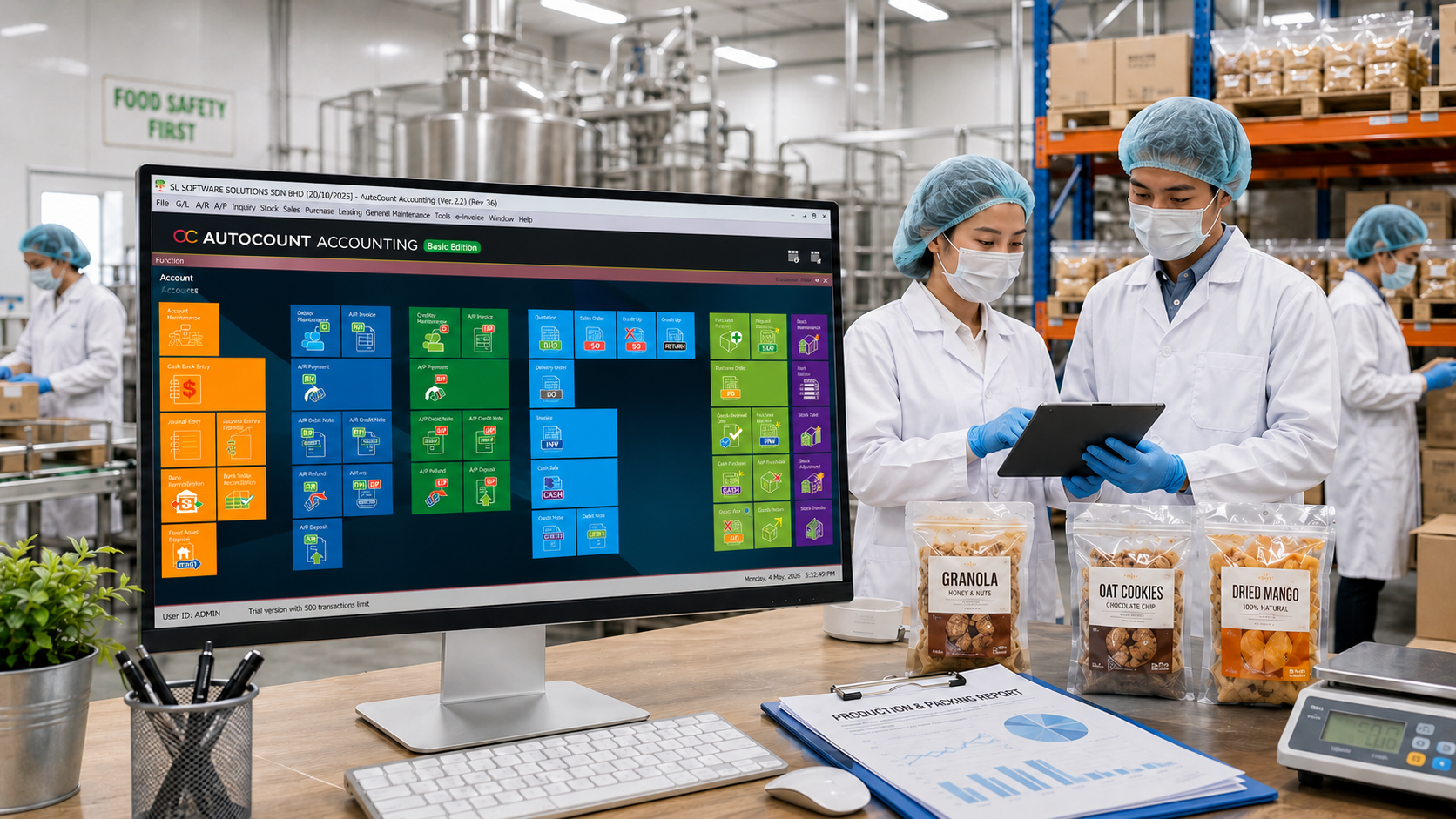
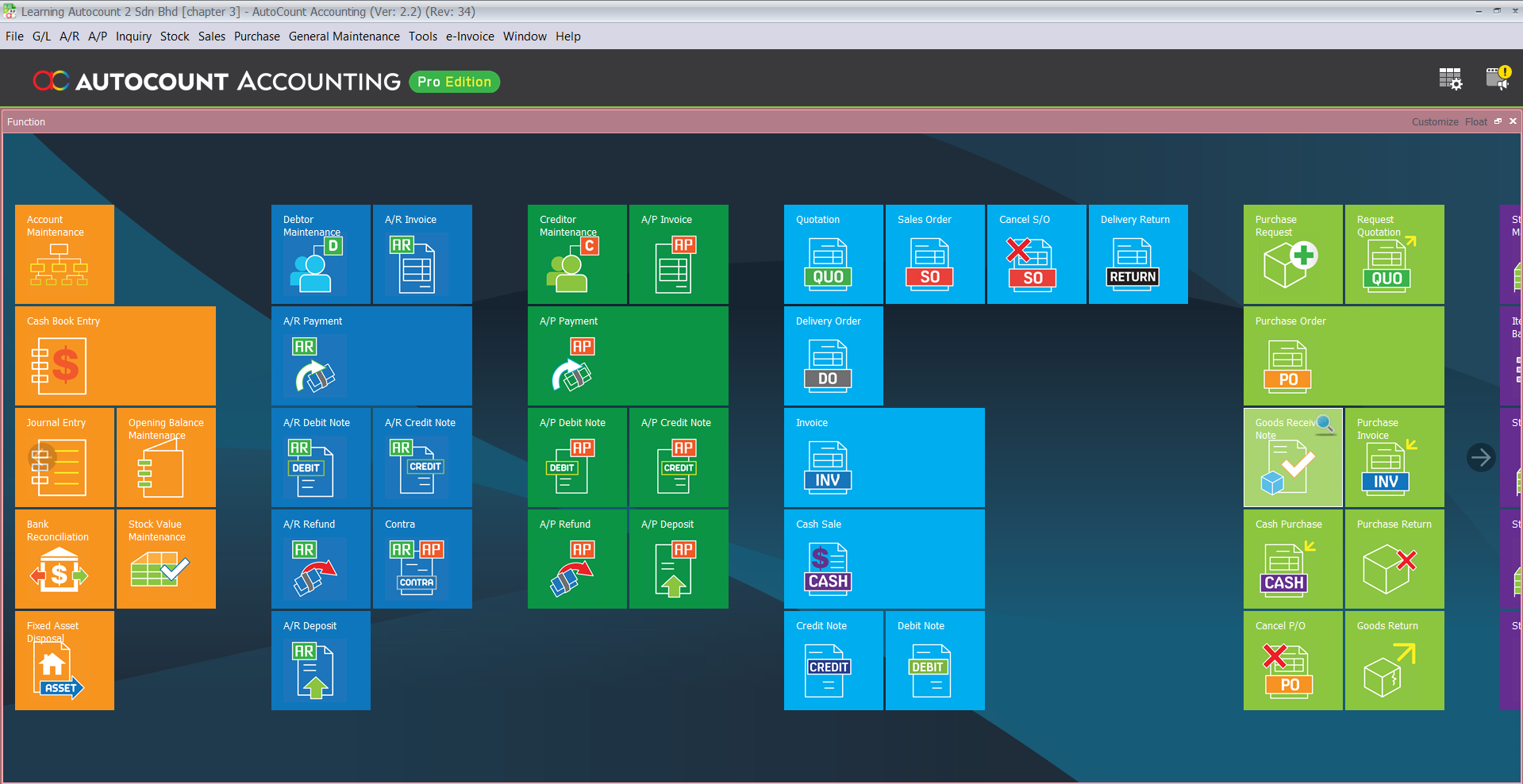
AutoCount organizes your business workflow, so you can manage:
Track quotations, production orders, delivery orders, invoices, and customer payments clearly.
Monitor raw materials, packaging materials, semi-finished goods, and finished products more accurately.
Keep supplier invoices, material purchases, and payment records organised in one place.
Generate financial reports, track cash flow, and manage e-Invoice records more easily.
AutoCount offers a range of modules to streamline business operations. Here are some key modules that can specifically benefit Food Manufacturing Companies :
Helps manage financial records, general ledger, debtor and creditor records, profit and loss, balance sheet and management reports.
Suitable for managing quotations, sales orders, delivery orders, invoices, customer records and payment tracking.
Helps track raw materials, packaging materials, finished goods, stock movement, stock balance and stock adjustments.
Helps manage purchase orders, goods received notes, purchase invoices, supplier records and outstanding supplier balances.
Useful for businesses with many bank transactions, customer payments and supplier payments.
Suitable for factories with operators, production workers, admin staff, warehouse staff, drivers or sales teams.
Useful for manufacturers with raw material stores, production areas, finished goods warehouses or multiple branches.
Suitable for food manufacturers that import ingredients, packaging materials or machinery in foreign currencies.
Suitable for businesses that need to manage raw materials, production usage, assembly or finished goods. AutoCount’s module options include stock assembly and item assembly-related functions, depending on the edition and setup.
Food manufacturers often need to manage ingredients, packaging, semi-finished goods, and finished products.
With AutoCount Inventory, your team can track stock more systematically, reducing confusion between warehouse, production, sales, and accounts teams.
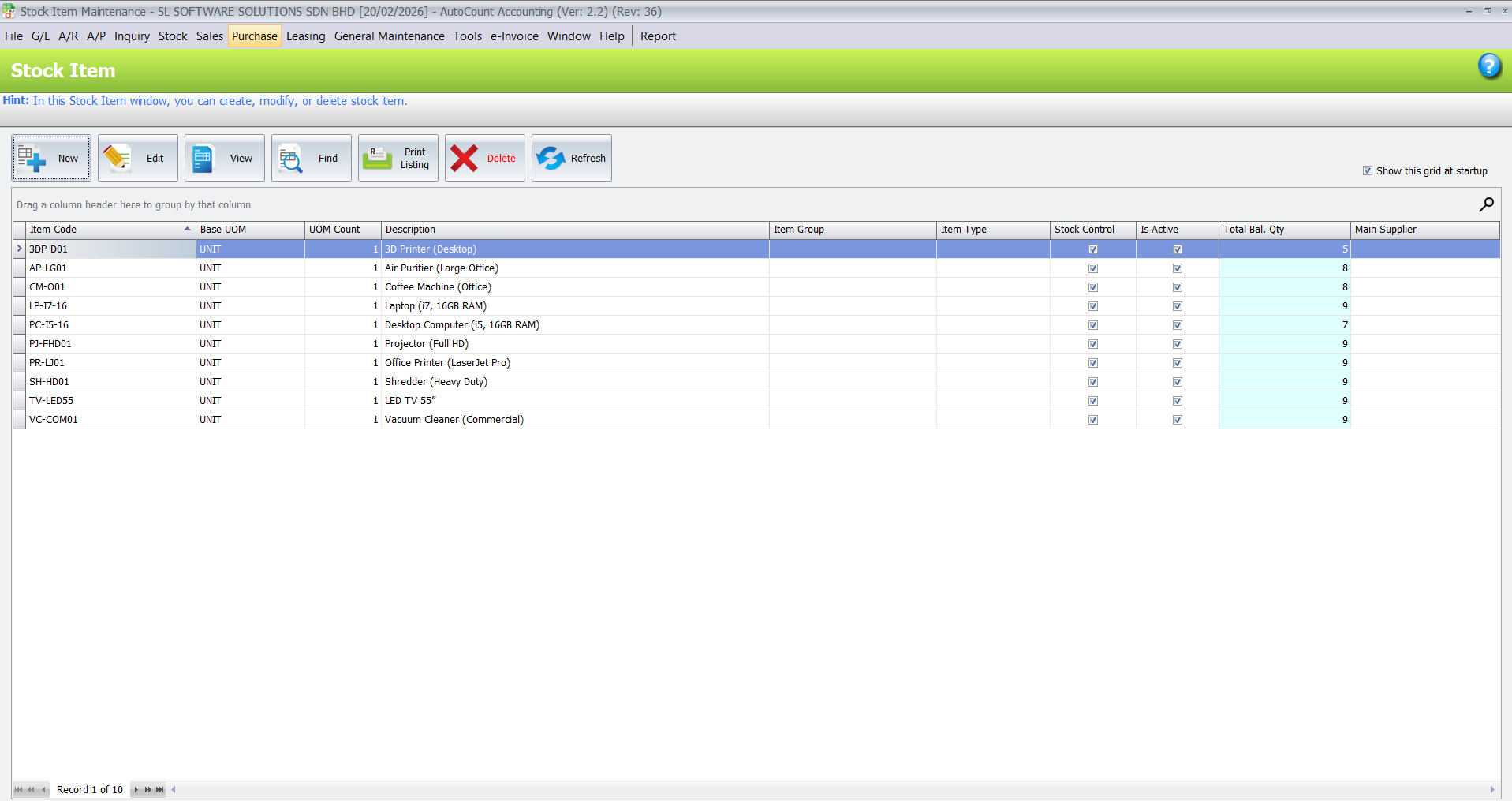
Food manufacturing is different from simple trading. Raw materials may be converted into finished goods through recipes, formulas, production batches or assembly processes.
This is useful for businesses that need to manage:
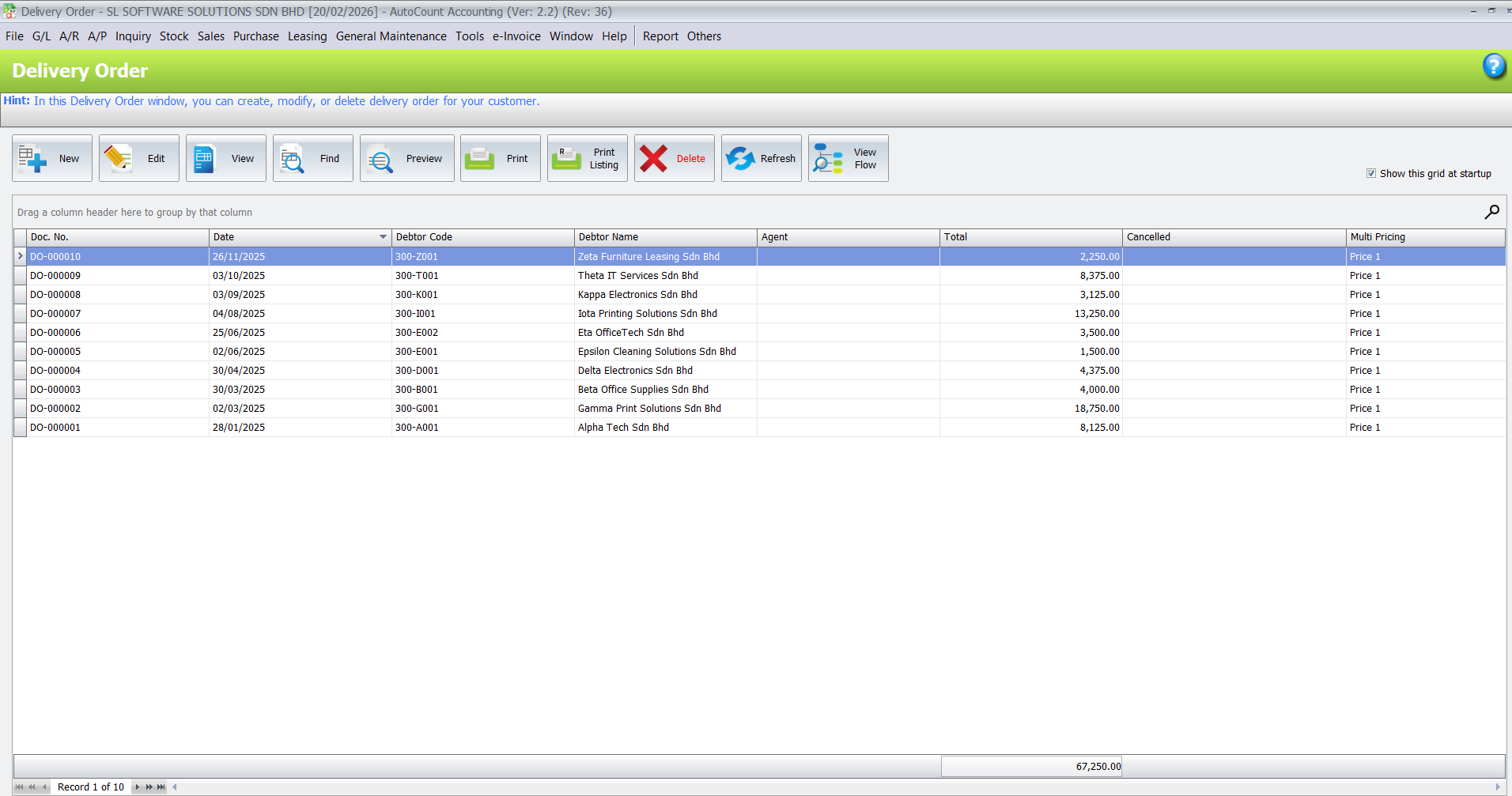
Food manufacturers often sell to wholesalers, distributors, restaurants, cafés, agents, or online customers. A proper workflow helps trace each transaction from order to delivery and invoice.
With AutoCount, your team can organise customer records, sales documents, and payments systematically, giving clearer information across sales, warehouse, and accounts teams.
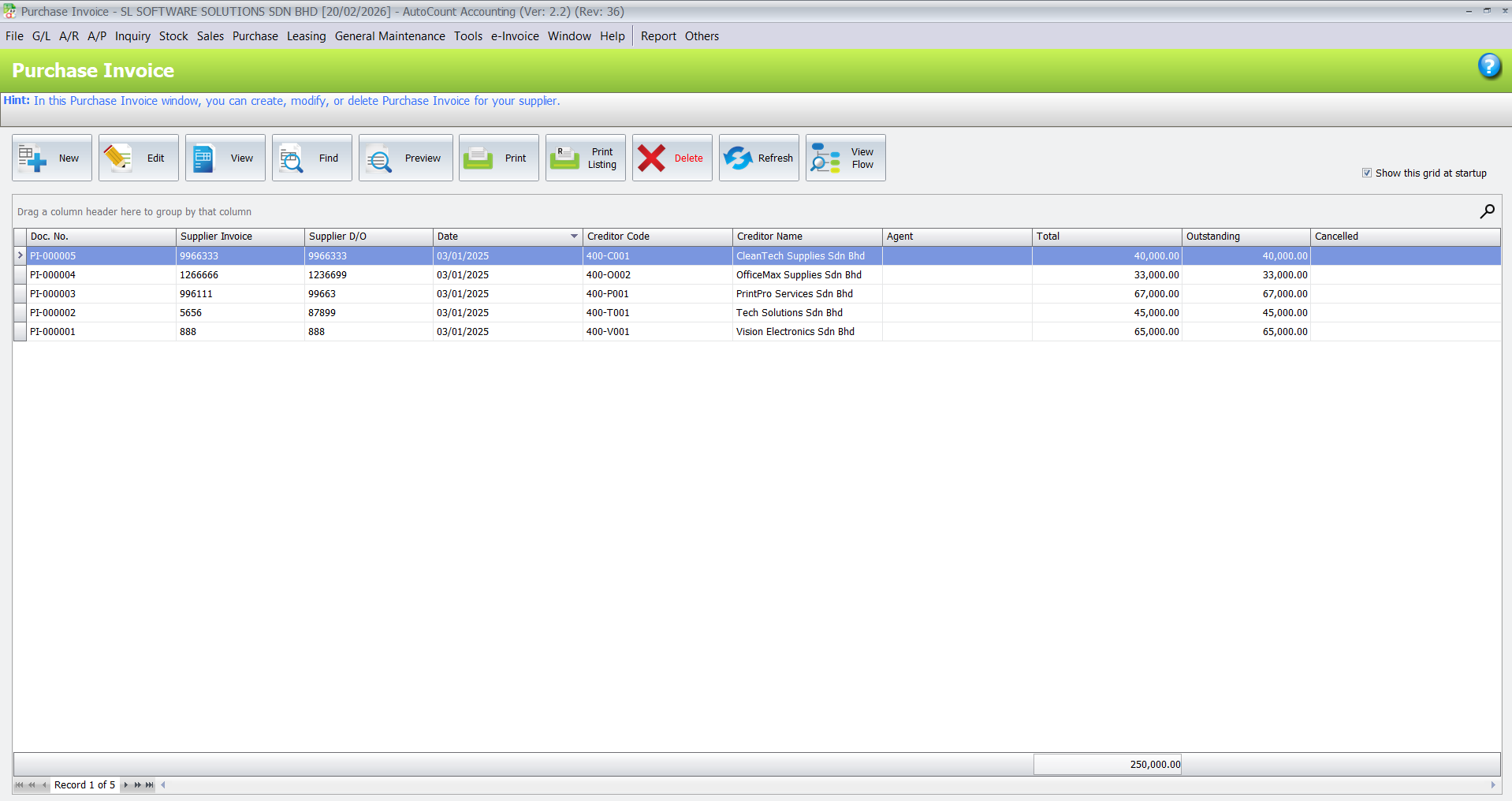
Food manufacturing businesses deal with many suppliers, including ingredient suppliers, packaging suppliers, logistics providers, machinery parts suppliers and other service vendors.
With AutoCount Purchase, your team can manage supplier records, purchase documents and outstanding balances more clearly.
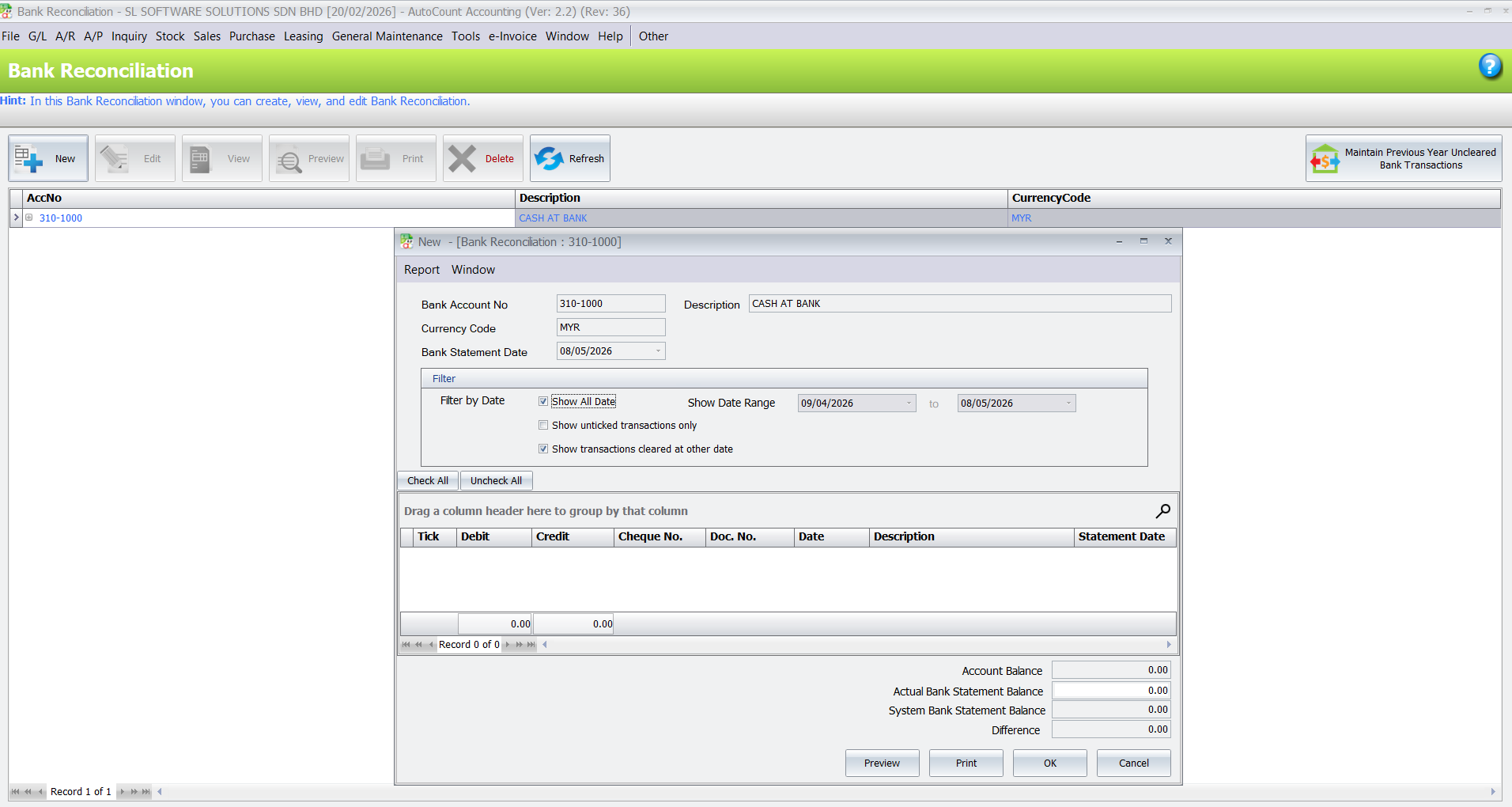
Month-end accounting can be stressful when records are incomplete. AutoCount connects daily transactions to accounting reports, giving management clear visibility and reducing manual checks.
Bakery and pastry manufacturers
Frozen food manufacturers
Snack and biscuit manufacturers
Beverage manufacturers
Sauce, seasoning and condiment producers
Central kitchens
Food packaging and repacking businesses
OEM food manufacturers
Halal food manufacturers
Processed food suppliers
Business Understanding
We first understand your food manufacturing workflow, including raw materials, production, sales, purchasing, stock movement, accounting and e-Invoice requirements.
System Setup
We configure AutoCount based on your actual business operation, including accounting, inventory, sales, purchase, users, access control and reports.
Module and Plugin Recommendation
We help you plan suitable production-related workflow, such as BOM, stock assembly, raw material usage, finished goods tracking or custom plugin requirements.
Training
We train your admin, accounts, warehouse and operation team based on real daily usage, not just software theory.
Support & Growth
We continue supporting your AutoCount system as your business grows, adds more products, expands warehouses or improves reporting needs.
We focus on real business usage, not only software theory. Your team learns how to use AutoCount for daily operations.
We make accounting, inventory, production and e-Invoice workflow easier to understand for business owners, admin teams and accounts staff.
Your setup should match your actual food manufacturing process, not just a standard software installation.
We support your team even after training, so your business can continue improving the system as your operation grows.
Yes. AutoCount can support food manufacturing businesses with accounting, sales, purchase, inventory, stock control, reporting and e-Invoice preparation. For production needs, suitable modules or custom plugins can be planned based on your workflow.
Yes. AutoCount Inventory can help manage raw materials, packaging materials and finished goods. Stock movement, item records and stock balance can be recorded more systematically.
AutoCount can help organise purchase cost, stock movement and production-related records. For more detailed production costing, BOM, stock assembly, manufacturing workflow or custom plugin setup may be required.
Yes. AutoCount provides LHDN e-Invoice-related functions, and proper system setup can help your business maintain customer and invoice records more clearly.
Yes. AutoCount Payroll or HRMS can help manage salary, overtime, allowances, claims, leave and staff records.
Yes. Training is important so your admin, warehouse, production and accounts team know how to use the system correctly in daily operations.
Manage raw materials, production records, sales, purchasing, inventory, accounting, payroll and e-Invoice preparation with a system setup that fits the way your business works.